Case studies

How I lead complex technical products through uncertainty.

Two examples of product judgment, technical program leadership, and execution across automotive software and AI products.

Woven by Toyota · Technical Program Manager · 2022—2024

Arene Virtual Vehicle

Making vehicle-software testing useful before a physical car is ready.

Woven by Toyota
Role
Technical Program Manager · one of two product owners
Organization
Roughly 50 people across three engineering hubs
Product
Vehicle-software test automation
Production context
Work connected to the 2026 Toyota RAV4

01

The problem

Vehicle software has to behave as one system, but teams often cannot test that system until scarce physical hardware becomes available late in development.

Arene Virtual Vehicle was designed to move validation earlier. It gave engineers a way to exercise vehicle software before it reached a physical car, when feedback was faster and problems were less expensive to address.

The hard part was not only technical. The product also had to fit real engineering workflows, earn trust across organizations, and turn a broad platform capability into an experience teams would choose to use.

02

What I owned

I was one of two product owners for Arene Virtual Vehicle, a roughly 50-person development organization spanning Tokyo, Palo Alto, and Ann Arbor. The organization built different parts of the product under our product-owner responsibility; its members were not my direct reports.

My focus was the test-automation experience: setting product direction, shaping the user experience, bringing quarterly features to release, and connecting the roadmap to Toyota engineering workflows.

03

Designing for earlier feedback

I led the test-automation UX connected to the 2026 Toyota RAV4. The product experience had to help engineers define, execute, and understand tests without making the underlying system complexity their problem.

That meant prioritizing the complete testing workflow rather than a list of isolated technical features. The resulting work helped teams find integration issues earlier and spend less time building, running, and triaging tests.

04

Earning adoption

A technically capable product still fails if the customer does not trust it enough to change how they work.

One Toyota engineering group was skeptical of expanding its use of the product. Instead of treating resistance as a mandate problem, I started with the group's existing workflow and commitments.

We found a way for Virtual Vehicle to complement that workflow, built confidence through a useful first step, and earned an internal advocate. The group went on to adopt more of the product.

05

Result and recognition

My Virtual Vehicle work contributed to the broader Arene platform introduced in the 2026 Toyota RAV4. Woven by Toyota and Toyota teams developed and integrated the wider platform and vehicle program.

Production connection

Arene made its production debut in the 2026 Toyota RAV4.

Team recognition

2023 Woven by Toyota Invention of the Year — Silver Award.

Inventorship

Named inventor on a granted U.S. patent, with additional published applications related to vehicle-software testing.

The development team built the product and received the award collectively. The public patent records name me alongside other inventors.

What this demonstrates

Product leadership inside a complex technical system.

  • Turning an underlying platform into a usable product workflow
  • Aligning a distributed engineering organization without direct authority
  • Earning customer trust through context, evidence, and useful early wins
GAZAI · Technical Program Manager and Taipei site lead · 2024—present

GAZAI.ai and anini

Building the evidence systems behind a small AI product team.

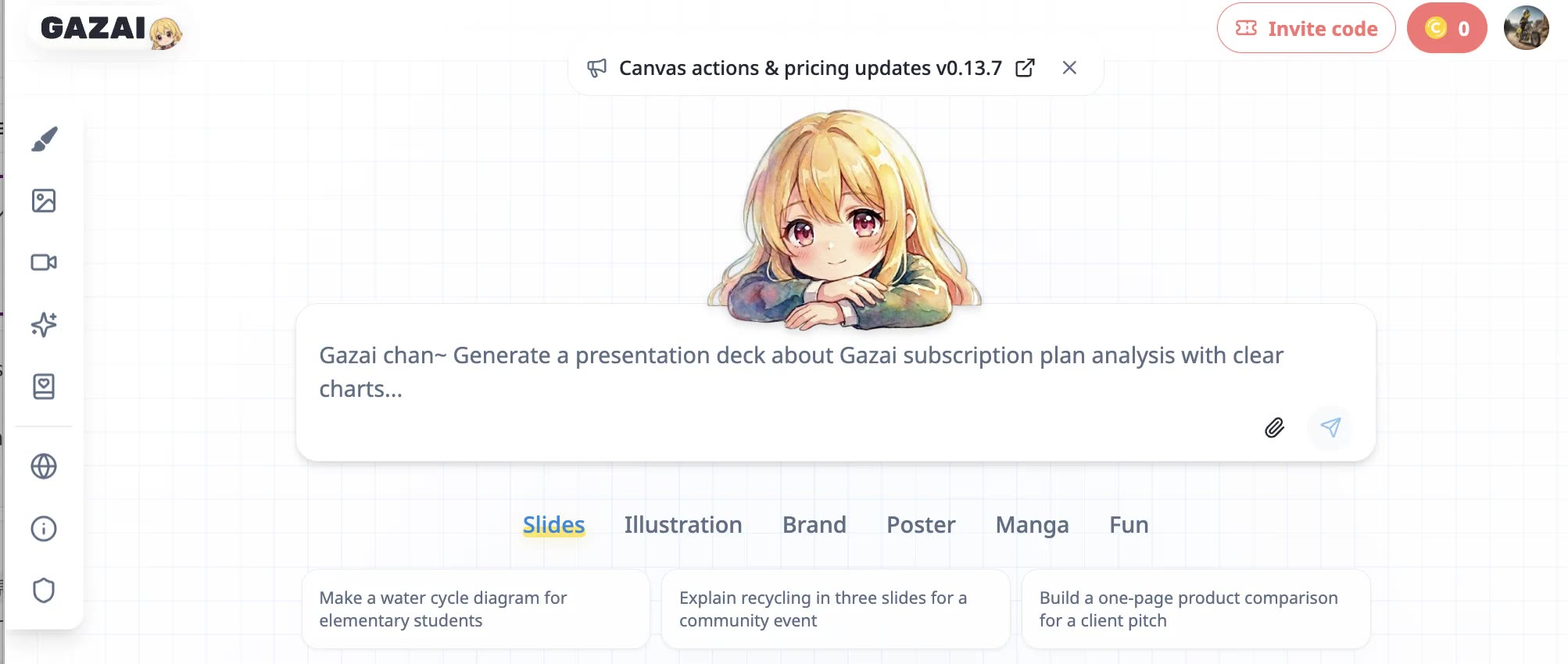
GAZAI.ai workspace showing creative modes and a prompt canvas
GAZAI.ai · multimodal creation workspace
Role
Technical Program Manager · Taipei site lead
Team
Eight people across Taipei, Tokyo, and Los Angeles
Products
GAZAI.ai creative suite · anini AI companion
Delivery
anini launch on iOS and Android · October 2025

01

From launch into production

As Technical Program Manager and Taipei site lead, I helped an eight-person team operate GAZAI.ai and bring anini, an AI companion app, to market across Taipei, Tokyo, and Los Angeles. GAZAI.ai reached more than 30,000 monthly active users as a company and team result.

I led anini from development through its October 2025 launch on iOS and Android. I set the final schedule, established platform test rounds and a fixed go-or-no-go meeting, and required every remaining issue to state what would happen if we shipped without fixing it.

On release day, I owned build verification, store publishing, and smoke tests against the store-installed versions. The team shipped both platforms on the same day with the known risks documented and accepted.

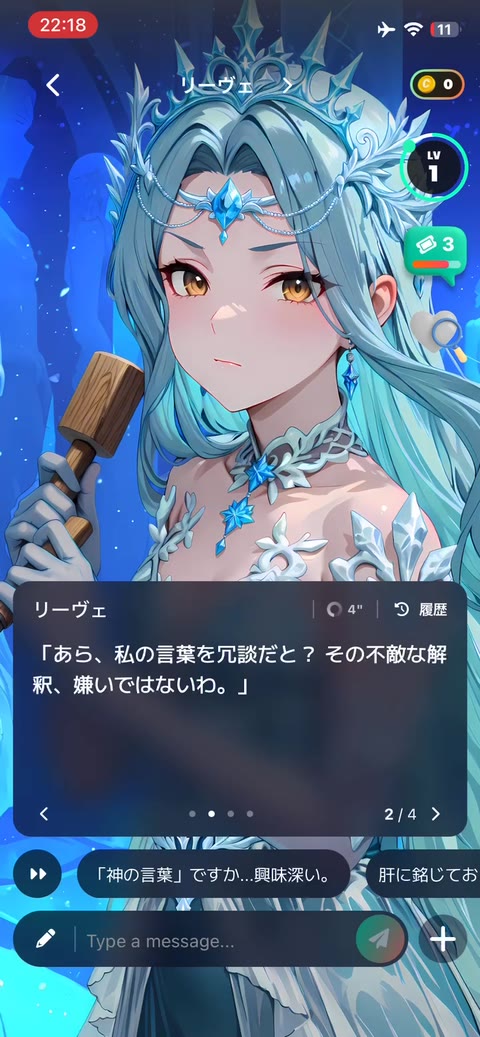
anini AI companion conversation screen
anini · companion experience

02

Repairing a model evaluation

When we compared candidate chat models as possible replacements for the production model, the first evaluation produced pass-or-fail decisions that did not align with its own scores. In the review I led, we found that the rubric was incomplete and unweighted, definitions had shifted during scoring, and evaluators could see model identities.

I designed a controlled rerun: a fixed weighted rubric agreed in advance, consistent scoring ownership, prompt optimization for each candidate, and blinded model identities. I also built the blinding mechanism and prompt-override support into our internal tooling and repaired simulator issues that were blocking the evaluation.

Planning colleagues created and scored the conversations. AI colleagues selected candidates, benchmarked their behavior, and optimized prompts. My role was to repair the decision process and connect the teams needed to run it.

03

Turning production errors into an operating loop

After launch, our daily reports presented raw error data without the user impact, investigation status, or app-version context needed to make decisions. Noise and real defects were difficult to separate, and a completed engineering task could be mistaken for a production fix.

I designed and implemented the initial AI-assisted triage loop. AI prepared a plain-language summary, possible impact, and suggested action; people retained authority over status, priority, and sprint work. Muted noise returned when it spiked, and a fix remained open until production evidence showed that the issue had stopped on the corrected app version. Regressions returned to the decision queue.

The result was a durable operating change rather than a claimed crash-rate reduction: engineering and planning reviewed one bounded queue, release follow-through depended on production evidence, and the system stayed in daily use after I handed operations to teammates.

04

Operating across product and engineering

The work connected launch readiness, model evaluation, production operations, and distributed-team leadership. I stayed close enough to the technology to build the first version of an operating system while keeping consequential decisions with people.

At Woven, I led within a large automotive software program. At GAZAI, I worked at startup scale: making uncertainty explicit, improving how the team made technical decisions, and connecting those decisions to delivery.

What this demonstrates

Evidence-driven leadership, close to the technology.

  • Challenging a high-stakes decision when the evaluation method could not support it
  • Building the first version of an operating mechanism, not only coordinating its delivery
  • Giving a distributed team clearer evidence while keeping consequential decisions with people